
Gas pain around navel
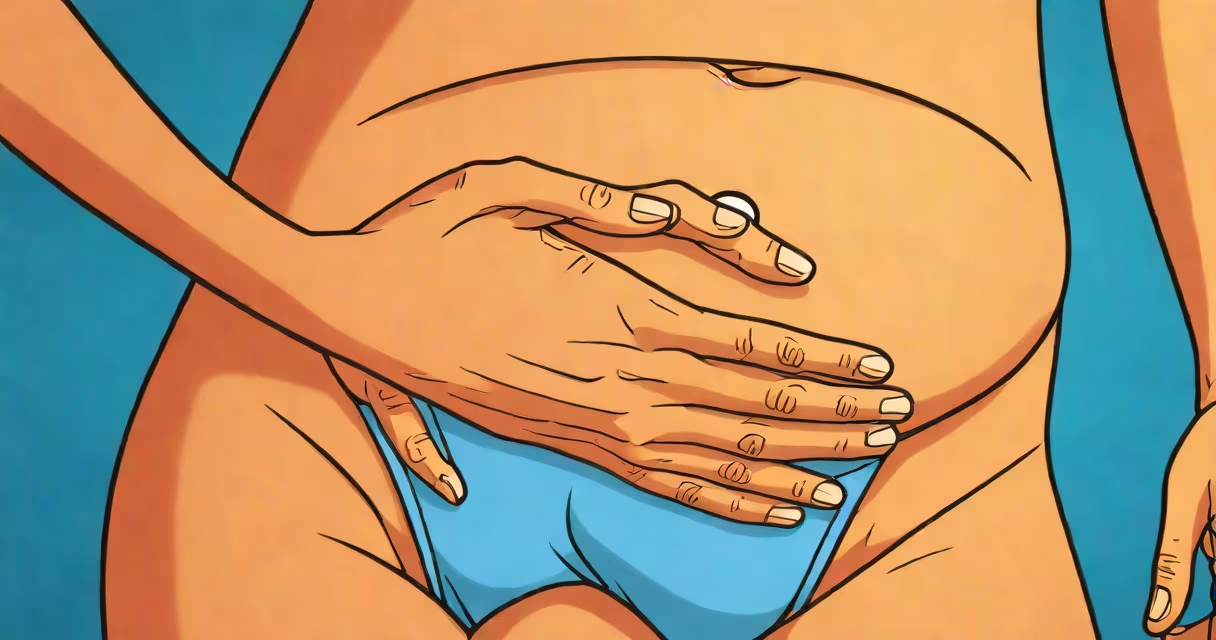
Gas pain around the navel arises when intestinal gas accumulates in the small or large intestine, pressing on sensitive nerve endings near the central abdomen. This sensation typically presents as sharp, cramping, or twisting discomfort centered just below the belly button. The pain may shift location, ease with passing gas, or recur after eating certain foods.
Intestinal gas forms during digestion when bacteria in the colon ferment undigested carbohydrates. Swallowed air during eating or drinking contributes additional volume. As gas builds, it stretches the intestinal wall, triggering pain signals through the enteric nervous system. The navel region lies near the junction of the small and large intestines-areas frequently involved in gas buildup. Pain here often correlates with gas moving through the transverse colon or proximal sigmoid colon.
Common triggers include high-fiber foods like beans, cruciferous vegetables, and carbonated beverages. Lactose intolerance, fructose malabsorption, and small intestinal bacterial overgrowth (SIBO) increase gas production. A 2021 study in Frontiers in Gastroenterology found that 68% of individuals reporting recurrent abdominal pain had abnormal hydrogen breath test results, indicating bacterial fermentation as a primary driver.
How gas pain around navel differs from other abdominal pain
Unlike appendicitis, which begins near the navel and migrates to the lower right quadrant, gas pain stays centralized or shifts unpredictably. Appendicitis pain worsens with movement, coughing, or pressure. Gas pain often improves with position changes, burping, or passing flatus. A 2019 review in BMJ Clinical Evidence noted that gas-related pain resolves within 30 minutes to two hours in 85% of cases, while inflammatory conditions persist or intensify.
Gas pain may mimic menstrual cramps, especially in women. However, menstrual pain typically follows a cyclical pattern and includes pelvic pressure, bloating, and sometimes nausea. Gas pain lacks hormonal timing and often occurs after meals. If pain lasts longer than 24 hours or recurs daily, consider underlying conditions such as irritable bowel syndrome (IBS), diverticulosis, or food intolerances.
Types and patterns of gas pain around the navel
Gas pain around the navel varies in intensity and timing. Some people report brief, stabbing episodes lasting seconds. Others describe dull, persistent pressure that eases only after passing gas. The following table outlines common patterns:
| Pattern | Duration | Typical Triggers | Relief Methods |
|---|---|---|---|
| Sharp, intermittent cramps | Seconds to minutes | Swallowed air, fatty meals | Passing gas, walking |
| Dull, constant pressure | 1-4 hours | High-fiber foods, lactose | Warm compress, antifoaming agents |
| Recurring cycles | Days to weeks | SIBO, IBS, chronic constipation | Diet modification, probiotics |
One patient reported experiencing gas pain around the navel every evening after dinner. Symptoms included bloating, audible gurgling, and sharp twinges lasting 30-45 minutes. After eliminating dairy and reducing intake of broccoli and lentils, pain decreased by 70% within five days. This aligns with clinical guidelines from the American College of Gastroenterology, which recommend dietary elimination trials for recurrent gas pain.
When gas pain around navel requires medical attention
While most gas pain resolves independently, red flags include fever, blood in stool, weight loss, or pain that wakes you at night. These signs suggest inflammation, infection, or obstruction. A 2020 study in The Lancet Gastroenterology & Hepatology found that 12% of patients presenting with persistent abdominal pain were later diagnosed with celiac disease or microscopic colitis after initial misdiagnosis as functional gastrointestinal disorders.
Chronic gas pain around the navel may indicate functional disorders. IBS affects 10-15% of adults globally, with gas and bloating as core symptoms. The Rome IV criteria define IBS based on abdominal pain lasting at least six months, occurring at least once weekly, and improving with defecation. If pain persists despite dietary changes, consult a gastroenterologist for evaluation.
I once observed a patient with recurring gas pain around the navel who had been self-treating with simethicone for months. After a diagnostic workup, she was diagnosed with lactose intolerance. Eliminating dairy eliminated symptoms entirely. This illustrates that even common remedies fail when the root cause remains unaddressed.
Common misconceptions and corrections
Many assume gas pain always indicates poor diet. While diet plays a role, gas pain can stem from motility issues. The colon contracts irregularly in some people, trapping gas and causing prolonged discomfort. A 2022 study in Gut showed that altered gut-brain axis signaling contributed to gas sensitivity in 40% of IBS patients, independent of actual gas volume.
Another myth is that gas pain must be relieved by passing gas. Not all gas is expelled easily. Some individuals have weak pelvic floor muscles or impaired coordination between abdominal and diaphragmatic movements, making expulsion difficult. In such cases, manual techniques like abdominal massage or positional therapy (e.g., lying on the side with knees drawn up) can help shift gas toward the rectum.
Antacids do not treat gas pain. They neutralize stomach acid and may worsen bloating by increasing gas production. Simethicone reduces surface tension in gas bubbles, allowing them to coalesce and pass more easily. It's effective for symptomatic relief but not for underlying causes.
Management and prevention strategies
Start with dietary adjustments. Avoid known gas-producing foods: beans, onions, garlic, cabbage, carbonated drinks, and artificial sweeteners like sorbitol and xylitol. Eat slowly, chew thoroughly, and avoid gum and straws to reduce swallowed air. A 2018 trial published in Alimentary Pharmacology & Therapeutics found that a low-FODMAP diet reduced gas-related symptoms in 65% of IBS patients over eight weeks.
Over-the-counter options include simethicone (e.g., Gas-X), activated charcoal (e.g., CharcoCaps), and digestive enzymes like lactase or alpha-galactosidase (e.g., Beano). These work best when taken before meals. For ongoing issues, see a healthcare provider to rule out malabsorption syndromes or SIBO.
Understanding the mechanics of gas pain around the navel helps differentiate normal digestive variation from pathological concern. Most episodes resolve quickly with simple measures. When they don't, timely assessment prevents unnecessary suffering and guides effective care.