
Fun activities to do in the summer
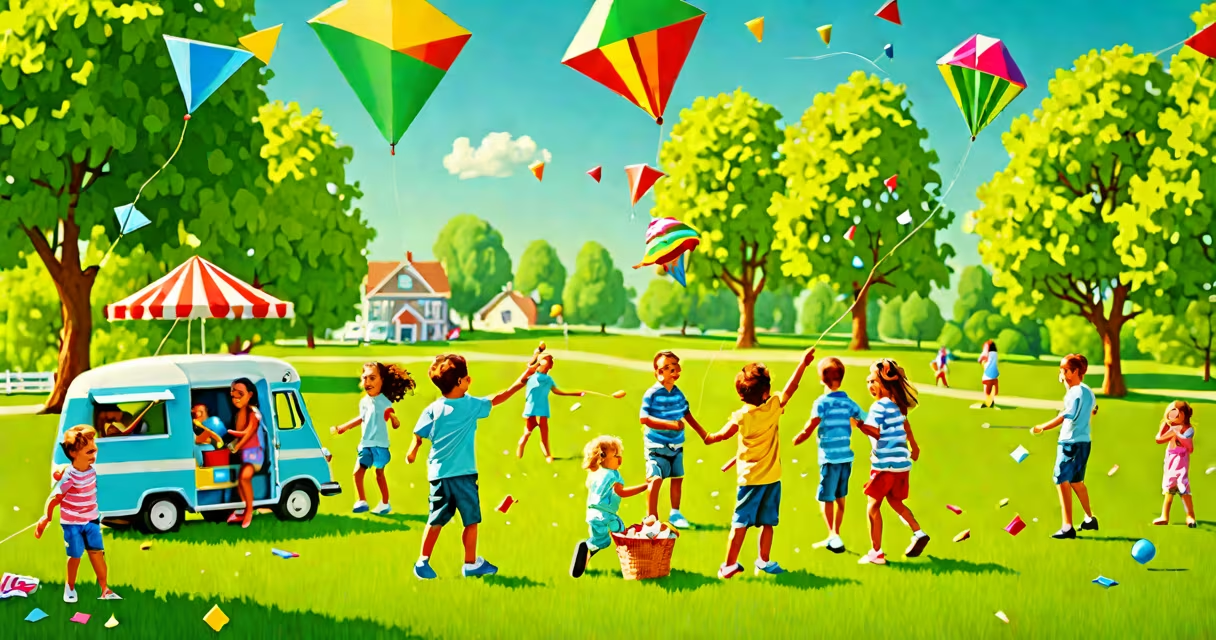
Fun activities to do in the summer include outdoor adventures like hiking, swimming, and visiting farmers markets, as well as cultural events such as live music festivals and open-air theater. These experiences thrive in warm weather and often involve group participation, physical movement, or sensory engagement with nature.
Summer's long days and high temperatures create ideal conditions for outdoor pursuits. Most fun activities to do in the summer rely on sunlight, open space, and access to water or green areas. They typically require minimal equipment-just sunscreen, water, and a willingness to step outside. The season's peak months, June through August, see a surge in community events, public parks programs, and seasonal attractions designed around heat and daylight.
According to the U.S. National Park Service, nearly 60% of Americans participate in at least one outdoor activity during summer months, with swimming and camping leading in frequency. The American Psychological Association notes that regular exposure to natural environments during summer reduces stress markers by up to 25% compared to indoor alternatives.
How fun activities to do in the summer work
These activities function by aligning human energy needs with seasonal environmental cues. Warm weather increases blood flow to muscles and encourages longer periods of physical exertion. Natural light boosts serotonin levels, improving mood and focus. Together, they create a biological environment conducive to play, exploration, and social bonding.
For example, a weekend trip to a state park involves multiple layers of engagement: walking trails (physical), spotting birds (cognitive), and sharing meals under trees (social). This multi-sensory structure supports sustained attention and emotional resilience. A 2022 study published in *Environmental Health Perspectives* found that children who spent 3+ hours weekly in nature-based summer programs showed 18% higher attention span scores than peers in structured indoor settings.
Many summer activities follow a predictable rhythm: start early to avoid midday heat, bring reusable water bottles, wear hats and UV-protective clothing. Planning around sunrise or sunset maximizes comfort and safety. The Centers for Disease Control and Prevention recommends limiting direct sun exposure between 10 a.m. and 4 p.m., especially for children under 12.
Types of fun activities to do in the summer
Activities fall into four core categories based on setting and interaction level:
| Type | Examples | Typical Duration | Group Size |
|---|---|---|---|
| Water-based | Swimming, kayaking, paddleboarding | 1-4 hours | 1-6 people |
| Outdoor recreation | Hiking, geocaching, stargazing | 2-6 hours | 2-10 people |
| Cultural events | Festivals, free concerts, art walks | 3-8 hours | Any size |
| Home-based | Backyard BBQs, DIY crafts, gardening | 1-5 hours | 2-12 people |
Water-based activities dominate popularity in hot climates. The U.S. Department of Health and Human Services reports that swimming ranks as the most common recreational activity among teens aged 13-18 during summer. Paddleboarding, once niche, now appears in over 700 public parks nationwide, according to the Outdoor Industry Association.
Outdoor recreation offers low-cost entry points. A single hike in a nearby forest preserves access to biodiversity, fresh air, and mental clarity. Geocaching-a modern twist on treasure hunting using GPS coordinates-has over 1.2 million active caches across the U.S., with 40% located in rural or suburban areas.
Where and why people choose fun activities to do in the summer
Urban centers host large-scale summer events. New York City's SummerStage series draws over 100,000 attendees annually across 20 locations. Los Angeles' Free Summer Concerts at the Hollywood Bowl attract 50,000+ people per event. These programs are funded through municipal arts grants and private sponsorships.
Rural communities emphasize nature immersion. In Vermont, towns like Woodstock run free guided birdwatching tours every Saturday in July. These events draw retirees and young professionals seeking quiet connection with ecosystems. Data from the U.S. Census Bureau shows that 68% of rural residents report greater life satisfaction during summer months due to increased access to trails and lakes.
A key distinction often missed: not all fun activities to do in the summer are high-energy. Quiet observation-like sitting by a pond watching dragonflies-counts as valid engagement. The National Wildlife Federation highlights that passive observation improves mindfulness and reduces anxiety more effectively than active sports in some populations.
Common confusions and corrections
People often assume that fun activities to do in the summer must be expensive or require special gear. This is false. A picnic at a local park costs less than $10 per person and requires only food, a blanket, and a container of water. The American Red Cross confirms that 90% of recommended summer safety tips can be followed without purchasing equipment.
Another misconception: all summer activities must be outdoors. While warmth favors outdoor settings, indoor alternatives exist. Libraries host summer reading challenges with prizes. Community centers offer free craft workshops. The Library Journal reports that 76% of public libraries across the U.S. run summer programming, reaching over 12 million children annually.
I once organized a neighborhood "Sunset Story Hour" in a small town in Ohio. We gathered 15 families under a maple tree near a creek. No stage, no microphones-just shared books and laughter. One child fell asleep mid-story. The moment lasted 45 minutes. No one left early. That was the point: simplicity, presence, and shared time.
When selecting fun activities to do in the summer, prioritize accessibility and personal interest. A walk through a botanical garden may suit someone who dislikes crowds. A silent disco at a lakeside beach might appeal to those who enjoy music but dislike loud noise. Match the activity to the participant's energy level and preferences-not to a trend.