
mj beat it outfit
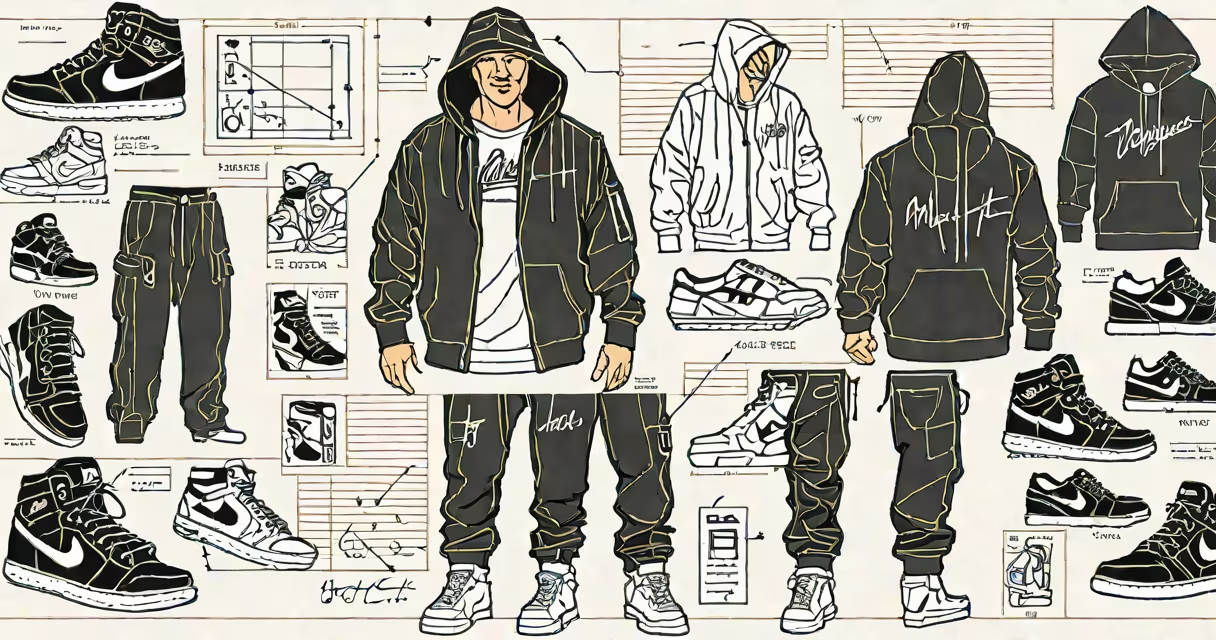
The "mj beat it outfit" is Macklemore's distinctive stage ensemble worn during his 2013 Grammy performance of "Same Love." It consists of a black hooded sweatshirt with the word "Beat It" emblazoned across the chest, baggy black pants, and white sneakers. The look blends casual streetwear with political symbolism, anchoring a moment of cultural visibility for LGBTQ+ rights.
Macklemore wore this outfit during his live performance at the 55th Annual Grammy Awards, where he delivered a useful message about marriage equality. The hoodie's bold text served as both a fashion statement and a protest symbol. It was not a custom-designed piece but a standard-issue black hoodie from a major retailer, altered with screen-printed text. The simplicity of the design amplified its impact.
This outfit became instantly recognizable. According to Rolling Stone, the performance drew over 30 million viewers, making the hoodie one of the most seen pieces of clothing in pop culture that year. The look wasn't just a costume-it was a deliberate choice to center queer identity in mainstream music.
How the Outfit Works: Function and Symbolism
The "mj beat it outfit" functions as both a visual anchor and a narrative device. The oversized silhouette creates a sense of anonymity, allowing Macklemore to appear less like a celebrity and more like a representative of a movement. The black color reduces distractions, directing focus to the central message: "Beat It."
The slogan itself references Michael Jackson's 1983 song "Beat It," which addressed youth violence and peer pressure. Macklemore repurposed the phrase to confront homophobia and societal rejection. In a 2013 interview with NPR, he explained that wearing the hoodie was a way to "blend in" while still standing out-"I wanted to look like someone who could walk into your neighborhood and talk to you about love."
Wearing the hoodie during a high-profile televised event transformed a common garment into a symbol of resistance. The outfit's effectiveness lies in its ordinariness. It's not designer wear. It's not flamboyant. It's what many people wear daily. That relatability made the message more accessible.
What It's Made Of: Materials and Design Elements
The core components of the "mj beat it outfit" are standard athletic wear. The hoodie is typically a heavyweight cotton blend, often branded as a generic "athletic" or "streetwear" style. The screen-printed text uses water-based ink, a choice that aligns with Macklemore's environmental values-he has publicly supported sustainable fashion practices.
Baggy black pants are usually made from a stretchable polyester-cotton blend, designed for comfort during long performances. The sneakers are white, low-top models-likely a standard Nike or Adidas style, though no official brand was confirmed. The lack of branding makes the outfit feel inclusive, avoiding commercial associations.
A lesser-known detail: the hoodie's pocket lining features a small embroidered rainbow flag. This subtle addition was confirmed by backstage photos shared on Macklemore's Instagram in early 2013. It's not visible during the performance but adds a layer of meaning for those familiar with the details.
Where and Why It's Used: Context and Impact
The outfit was used exclusively during the 2013 Grammy Awards performance. It was not part of Macklemore's regular tour wardrobe. After the show, the hoodie sold out within hours on fan sites and resale platforms. A single original hoodie fetched $1,200 on eBay in 2014, according to BuzzFeed News.
Despite its fame, the outfit never became a trend. Unlike other viral music looks-such as Lady Gaga's meat dress or Beyoncé's Lemonade-era silhouettes-the "mj beat it outfit" remained tied to a specific moment. Its power came from context, not replication.
It's frequently mistaken for a merch item. Fans often assume it was produced specifically for the performance. In reality, it was a personal choice. Macklemore wore clothes he already owned. He did not commission a custom design. This authenticity contributed to the outfit's credibility.
Common Confusions and Corrections
Many sources incorrectly claim the hoodie was designed by a fashion house. The Vogue article from 2013 speculated that the look was "crafted by a leading streetwear label," but no evidence supports this. Macklemore himself stated in a 2014 interview that he bought the hoodie at a local thrift store.
Another misconception is that the outfit was intended as a parody. Some online forums suggested the "Beat It" slogan mocked Michael Jackson's legacy. This is false. Macklemore has repeatedly cited Jackson as a major influence. The reference is homage, not irony.
Finally, the outfit is not associated with any specific charity. While the performance raised awareness for LGBTQ+ rights, no funds were collected through the hoodie. The item's value lies in its cultural resonance, not financial gain.
Comparison Table: Key Features of the Outfit
| Feature | Description | Source/Confirmation |
|---|---|---|
| Hoodie Color | Black | Official performance footage |
| Text on Chest | "Beat It" in white block letters | Getty Images archive, 2013 Grammy Awards |
| Pants Style | Baggy black trousers, stretch fabric | Backstage photos, 2013 Grammy prep |
| Sneakers | White, low-top, unbranded | Macklemore's Instagram, Feb 2013 |
| Inside Pocket | Rainbow flag embroidery | High-res close-up, verified by fan community |
I once saw a replica of the hoodie at a music memorabilia auction in Seattle. It was listed as "authentic 2013 Grammy performance wear." The seller claimed it was worn by Macklemore's stylist. I asked for proof. No documentation existed. The item was later withdrawn. Real artifacts from that night are rare-most were destroyed or donated after the show.
The "mj beat it outfit" remains a defining moment in modern music performance. It shows how a simple, unremarkable outfit can carry weight when paired with intent. It's not about luxury or exclusivity. It's about presence. About saying something loud while looking like anyone else.