
court mediation definition
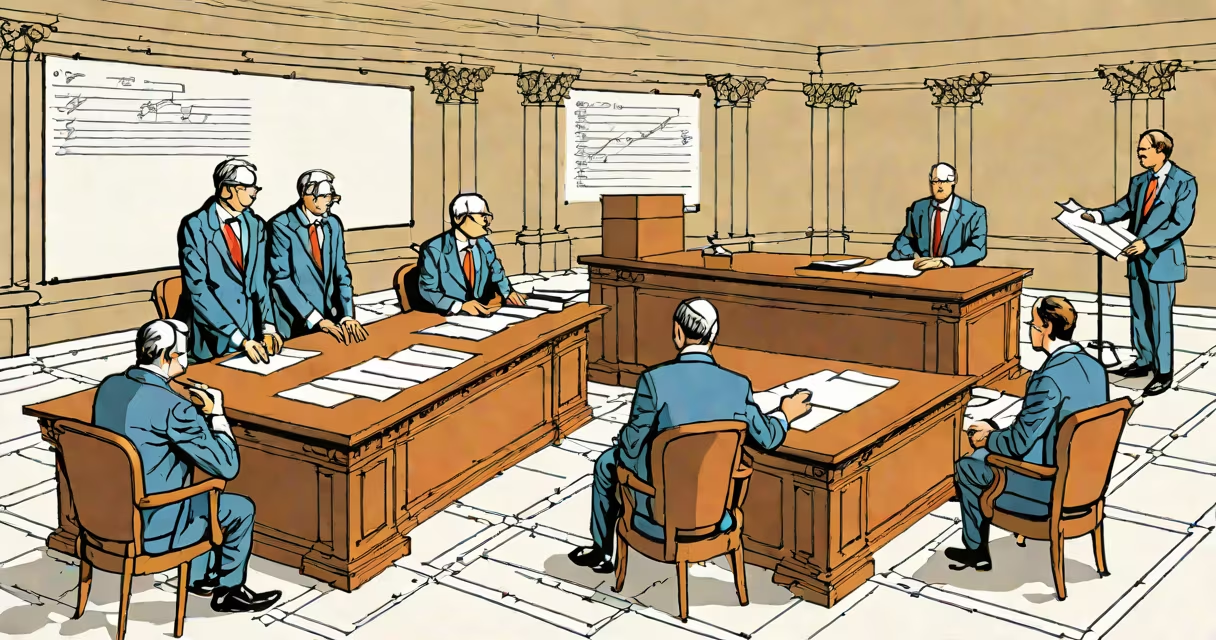
Court mediation is a structured, confidential process where a neutral third party-called a mediator-helps disputing parties in a legal matter reach a mutually acceptable resolution. The mediator does not decide the outcome but guides communication, clarifies issues, and supports compromise. This method is often ordered by courts to resolve civil disputes before trial.
The process begins when a judge assigns mediation as part of a case's progression. Parties involved-such as neighbors in a property boundary dispute or divorcing spouses negotiating custody-attend a session with the mediator. The goal is to reduce adversarial tension and identify shared interests. Unlike arbitration or trial, the outcome is not imposed; it results only from mutual consent.
Mediation sessions typically last between one and four hours, depending on complexity. All discussions remain private unless participants agree otherwise. If an agreement is reached, it becomes legally binding when signed and filed with the court. If no agreement forms, the case proceeds to trial or further legal steps.
How Court Mediation Works
Each session follows a consistent flow. The mediator opens by explaining confidentiality rules and the purpose of the meeting. Then, each party explains their position in turn, without interruption. The mediator listens closely, asks clarifying questions, and identifies common ground.
For example, in a landlord-tenant dispute over security deposit return, the tenant claims damages were overstated. The landlord insists repairs exceeded $1,200. The mediator asks both sides to clarify repair receipts and estimate actual costs. After reviewing evidence, they explore options: partial refund, payment plan, or a written acknowledgment of good faith.
Once terms are agreed upon, the mediator drafts a settlement document. Both parties review it, make edits if needed, and sign. The signed agreement is submitted to the court. Once approved, it becomes enforceable under state law. In California, for instance, settlements reached through court mediation are governed by Code of Civil Procedure § 640.2.
Types of Court Mediation
Not all court mediation is the same. Different cases require different approaches based on subject matter and complexity.
| Type | Use Case | Typical Duration | Special Requirements |
|---|---|---|---|
| Family Law | Divorce, child custody, spousal support | 2-4 hours | Child-focused mediators may be required |
| Small Claims | Debt, property damage, breach of contract | 1-2 hours | Parties must represent themselves |
| Landlord-Tenant | Rent disputes, eviction prevention | 1.5-3 hours | Often held in housing court offices |
| Business Disputes | Contract disagreements, partnership splits | 4+ hours | May involve financial experts |
Family law mediation often includes a co-mediation model where one professional handles emotional dynamics and another focuses on legal terms. In contrast, small claims mediation is usually conducted by a single trained volunteer or court employee.
What It's Commonly Confused With
Court mediation is frequently mistaken for arbitration or trial. Arbitration involves a decision-maker who renders a binding verdict after hearing arguments-similar to a judge-but without a jury. Trial is adversarial, with lawyers presenting evidence before a judge or jury.
Mediation differs in that it is collaborative. The mediator does not take sides or offer legal advice. They do not interpret laws or assess evidence. Their role is facilitation, not judgment. According to the American Bar Association, mediation is "not a substitute for legal counsel," and parties are encouraged to consult attorneys before signing any agreement.
A key distinction is confidentiality. In mediation, everything said stays within the room unless explicitly waived. In court proceedings, statements become public record. A 2021 study by the National Center for State Courts found that 87% of participants in court mediation reported feeling heard-compared to 53% in traditional hearings.
Real-World Example
In 2022, a New York City housing court assigned mediation to resolve a rent overcharge claim involving 12 tenants. The landlord claimed utilities were included in rent. Tenants argued they paid extra for heating and electricity.
The mediator reviewed utility bills, lease agreements, and city regulations. After three sessions totaling 6.5 hours, the parties agreed on a $2,300 refund spread over six months. The landlord also committed to providing monthly energy usage reports. The settlement was signed and entered into the court record. No trial occurred.
This case illustrates how mediation saves time and resources. The average small claims trial in NYC takes 14 months to schedule and 23 days. The mediated resolution took less than two weeks from assignment to filing.
Non-Obvious Fact: Mediation Isn't Always Voluntary
Many assume mediation requires mutual willingness. But in many states, judges can mandate it. In Florida, for example, Rule 1.400 of the Florida Rules of Civil Procedure allows courts to order mediation in civil cases involving $50,000 or less. Refusal to participate can result in sanctions or dismissal of claims.
Even when participation is mandatory, the outcome remains voluntary. A party cannot be forced to accept a settlement. If no agreement forms, the case moves forward. This balance ensures fairness while promoting efficiency.
I once observed a mediation session in a Los Angeles family court where a father and mother disputed visitation rights. The mother had moved out of state with their child. The mediator asked each parent to describe their daily routine and the child's school schedule. After identifying overlapping availability, they proposed a biweekly rotation. The parents accepted it. The agreement was finalized in under two hours.
Why It Matters
Court mediation definition reflects a growing shift toward efficient, human-centered justice. Over 80% of civil cases in U.S. courts are resolved without trial, according to the U.S. Courts Administrative Office. Mediation accounts for nearly half of those resolutions.
It reduces court backlogs, lowers legal fees, and improves satisfaction. A 2020 report by the Federal Judicial Center showed that 76% of litigants who completed mediation felt the process was fair-compared to 54% in contested trials.
Understanding court mediation definition means recognizing it as a practical tool-not a formality. It's not about winning or losing. It's about finding solutions that work for everyone involved. When used correctly, it transforms conflict into cooperation.