
alopecia during chemotherapy
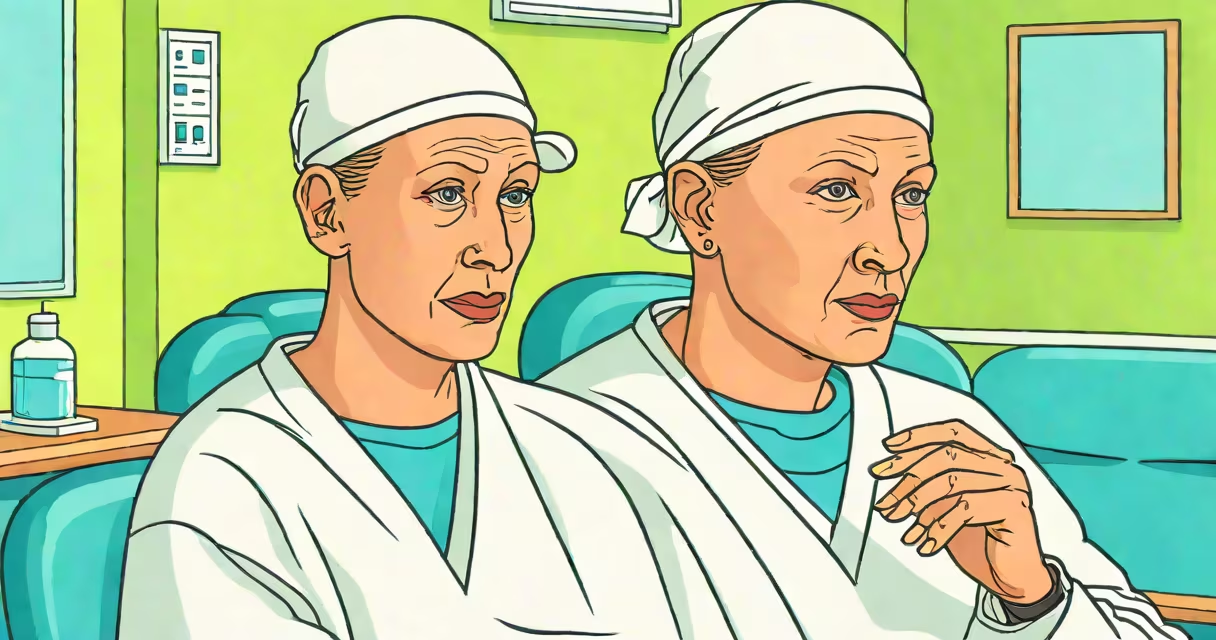
Alopecia during chemotherapy is hair loss triggered by cytotoxic drugs that target fast-dividing cells, including those in hair follicles. It occurs in 65% to 95% of patients undergoing systemic chemotherapy, depending on the regimen. Hair typically begins shedding within 1-3 weeks of starting treatment and may affect scalp, eyebrows, eyelashes, and body hair.
Chemotherapy agents such as doxorubicin, cyclophosphamide, and paclitaxel disrupt the mitotic cycle in hair matrix cells. These cells normally divide rapidly to produce the hair shaft. When drug exposure halts division, the hair follicle enters a resting phase (telogen), leading to visible shedding. The process is dose-dependent and reversible-hair regrows after treatment ends, though texture and color may differ temporarily.
Not all chemotherapy causes alopecia. Regimens using targeted therapies (e.g., trastuzumab) or immunotherapy (e.g., pembrolizumab) rarely cause hair loss. However, standard combinations for breast, lymphoma, and testicular cancers carry high risk. Patients receiving high-dose methotrexate or platinum-based agents also frequently experience significant hair thinning or complete loss.
How It Works: The Biology Behind the Loss
Human hair grows in cycles: anagen (growth), catagen (transition), and telogen (resting). Chemotherapy forces follicles out of anagen prematurely. This triggers apoptosis (programmed cell death) in keratinocytes lining the hair bulb. Without new cells, the hair shaft detaches and falls out. The process is not painful but often distressing due to sudden visual change.
Recovery begins when chemotherapy ends and the body resumes normal cell cycling. Anagen typically restarts within 2-4 months post-treatment. Initial regrowth appears as fine, downy hair, which thickens over time. Full restoration takes 6-12 months. Some patients report permanent changes in curl pattern or pigment, especially with prolonged or repeated exposure.
Studies show that scalp cooling reduces alopecia incidence by up to 50% in certain populations. A 2017 randomized controlled trial published in *The Lancet Oncology* found that 46% of women using a cold cap during taxane-based therapy retained at least 50% of their hair, compared to 10% in the control group. Cooling reduces blood flow to the scalp, limiting drug delivery to follicles.
Types and Variations in Presentation
Alopecia during chemotherapy presents uniformly across individuals, but severity varies by drug, dose, and patient factors. The following table outlines common chemotherapy regimens and associated hair loss rates:
| Regimen | Common Drugs | Alopecia Rate |
|---|---|---|
| AC (Adriamycin/Cyclophosphamide) | Doxorubicin, Cyclophosphamide | 90-95% |
| TC (Taxotere/Cyclophosphamide) | Paclitaxel, Cyclophosphamide | 85-90% |
| FOLFOX (colorectal cancer) | Oxaliplatin, 5-FU, Leucovorin | 50-60% |
| CHOP (lymphoma) | Cyclophosphamide, Doxorubicin, Vincristine, Prednisone | 75-80% |
Patients with higher baseline hair density may perceive less dramatic loss, but the biological effect remains similar. Age, genetics, and pre-existing conditions like thyroid disease can influence recovery speed. Women with naturally curly hair may notice regrowth appearing straighter initially, due to altered follicle shape during recovery.
Common Misconceptions and Clarifications
Alopecia during chemotherapy is not the same as alopecia areata-an autoimmune condition causing patchy hair loss. While both result in hair shedding, alopecia areata involves immune system attack on follicles, not drug toxicity. The onset is abrupt and unpredictable, whereas chemotherapy-related loss follows a predictable timeline tied to treatment schedule.
Another misconception is that hair loss indicates treatment effectiveness. There is no correlation between degree of alopecia and tumor response. A 2020 study in *JAMA Oncology* analyzed 1,200 patients and found no difference in progression-free survival between those who lost hair and those who did not. Hair loss is a side effect, not a biomarker of success.
I once observed a patient undergoing FOLFOX for colorectal cancer who maintained nearly full scalp hair. She was surprised when her oncologist confirmed this was expected-oxaliplatin has lower alopecia potential than anthracyclines. Her experience underscored that not all chemo regimens carry equal risk.
Management and Recovery
While alopecia cannot be prevented in all cases, several strategies reduce severity. Scalp cooling systems like DigniCap or Cold Caps are FDA-cleared and used during infusion. They maintain scalp temperature below 20°C, reducing metabolic activity and drug uptake. Success depends on consistent application and timing-cooling must begin before infusion and continue throughout.
Non-pharmacological approaches include using gentle shampoos, avoiding heat styling, and wearing soft scarves or wigs. Wigs made from synthetic fibers or human hair provide immediate cosmetic relief. A 2021 survey by the National Coalition for Cancer Survivorship found that 72% of patients reported improved quality of life with a wig, even if they didn't wear it daily.
Recovery begins as soon as treatment ends. Most patients see initial regrowth within 3 months. The new hair may be finer, lighter, or curlier than before. These changes are temporary. By 12 months, 88% of patients in a 2019 follow-up study reported hair returning to pre-treatment appearance.