
36 band 42 bust
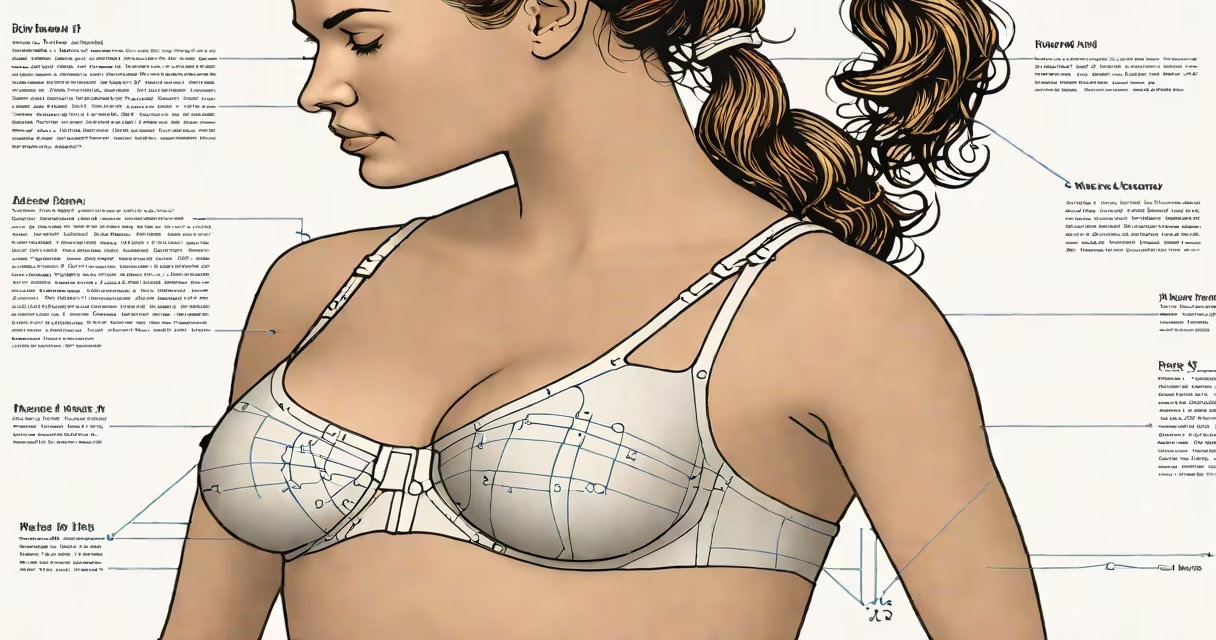
A 36 band 42 bust describes a bra size where the band fits snugly around the ribcage at 36 inches and the bust measurement at the fullest part of the chest is 42 inches. This size typically translates to a 36DD in standard U.S. bra sizing.
Bra sizes are determined by two numbers: the band size and the cup size. The band size is measured just below the bust, around the ribcage. The cup size is calculated by subtracting the band measurement from the bust measurement. A 42-inch bust minus a 36-inch band equals a 6-inch difference, which corresponds to a DD cup in standard sizing systems.
Proper fit ensures support, comfort, and accurate shaping. A band that's too loose causes the bra to ride up or sag. A cup that's too small leads to spillage or discomfort. A 36 band 42 bust requires both a correctly sized band and a properly shaped cup to function effectively.
How Bra Sizes Are Determined
The band size is taken at the smallest part of the ribcage, usually just below the breasts. If the measurement falls between two sizes, round up to the nearest even number. For example, a 35.5-inch measurement rounds up to 36.
Cup size is derived from the difference between the bust and band measurements. Each inch of difference represents one cup size: 1 inch = A, 2 inches = B, 3 inches = C, 4 inches = D, 5 inches = DD, 6 inches = DDD/E. A 6-inch difference results in a DD cup in most standard systems.
For a 36 band 42 bust, the 6-inch difference confirms the DD cup. Some brands use extended cup sizes (like F or G), but those are less common and vary by brand. Always check the specific brand's size chart.
Types of Bras That Fit a 36 Band 42 Bust
Common styles include full-coverage bras, balconette styles, and underwire bras. Full-coverage bras provide maximum support and coverage, ideal for larger busts. Balconette styles offer a lifted look with moderate support and are often worn for fashion or lingerie purposes.
Underwire bras are designed to cradle and lift the breast tissue, improving shape and reducing strain on the shoulders. They're recommended for women with larger busts due to enhanced support. A 36 band 42 bust typically benefits from underwire construction.
| Style | Best For | Support Level |
|---|---|---|
| Full-coverage | Larger busts, everyday wear | High |
| Balconette | Push-up effect, outfit enhancement | Moderate |
| Underwire | Shape, lift, long-term comfort | High |
Why Proper Fit Matters
Ill-fitting bras contribute to back pain, shoulder grooving, and poor posture. According to the American Academy of Orthopaedic Surgeons, improper bra fit is linked to musculoskeletal strain, especially in women with larger busts.
Many women wear the wrong band size. A study published in the Journal of Body Image found that 80% of women in the U.S. wear the incorrect bra size. A 36 band 42 bust may be mislabeled as a 38 band 42 bust if the band is too large, leading to inadequate support.
One common mistake is assuming that a larger band size accommodates a larger bust. A 38 band 42 bust implies a 4-inch difference, which is a D cup-not a DD. Confusing band and cup sizing leads to ill-fitting garments.
Common Misconceptions and Corrections
Some assume that bra size is purely about appearance. In reality, fit affects physical health. A 36 band 42 bust is not just a fashion label-it's a functional measurement that impacts daily comfort and long-term spinal alignment.
Another misconception is that all brands use the same sizing. Brands vary. For example, a 36 band 42 bust in one brand may require a 38 band in another due to differences in stretch, fabric tension, and cut. Always consult the brand's size chart.
One non-obvious fact: cup size is not proportional to volume. A DD cup in a 36 band has less volume than a DD cup in a 40 band. The cup size reflects the difference in measurements, not absolute volume. A 36 band 42 bust has less breast tissue volume than a 38 band 44 bust, even though both are DD cups.
Real-World Example: Sizing a 36 Band 42 Bust
Consider a woman who measures 36 inches around her ribcage and 42 inches at the fullest part of her bust. She calculates the difference: 42 - 36 = 6 inches. This corresponds to a DD cup. Her size is 36DD.
She tries on a 36DD bra. The band sits flat against her torso, not digging in or riding up. The cups fully enclose her breasts without spilling over. The center gore lies smoothly between the breasts. The straps don't dig into her shoulders. This is a correct fit.
If she had chosen a 38DD, the band would be too loose, causing the bra to shift during movement. If she chose a 34DD, the band would be too tight, restricting breathing and causing discomfort. The correct size is critical.
When to Reassess Your Size
Body changes affect bra fit. Weight gain, pregnancy, menopause, or hormonal shifts can alter breast size and shape. A 36 band 42 bust may become a 38 band 42 bust after weight gain, requiring a new band size.
Even without weight change, fabric stretch over time reduces support. A bra that fit perfectly six months ago may now feel loose. Regular re-measurement is advised.
After childbirth, many women find their bra size increases by one band size and one cup size. A 36 band 42 bust may become a 38 band 44 bust. This shift is normal and expected.
Related Sizing: 32 Band 38 Bust
For comparison, a 32 band 38 bust indicates a 6-inch difference, resulting in a DD cup. However, the band is smaller-32 inches versus 36. This size is smaller and may suit someone with a smaller frame or less bust volume.
While both sizes have the same cup size, the band difference affects fit and support. A 32 band 38 bust requires a tighter band and may not accommodate larger breast tissue volume compared to a 36 band 42 bust.
Understanding the relationship between band and bust measurements prevents confusion. The key is measuring accurately and matching both components to your body.
Always measure yourself in the morning, standing upright, using a flexible tape measure. Measure the ribcage just below the breasts, then the fullest part of the bust. Subtract the first from the second to determine cup size.